Mold Removal in Diamond Springs, CA
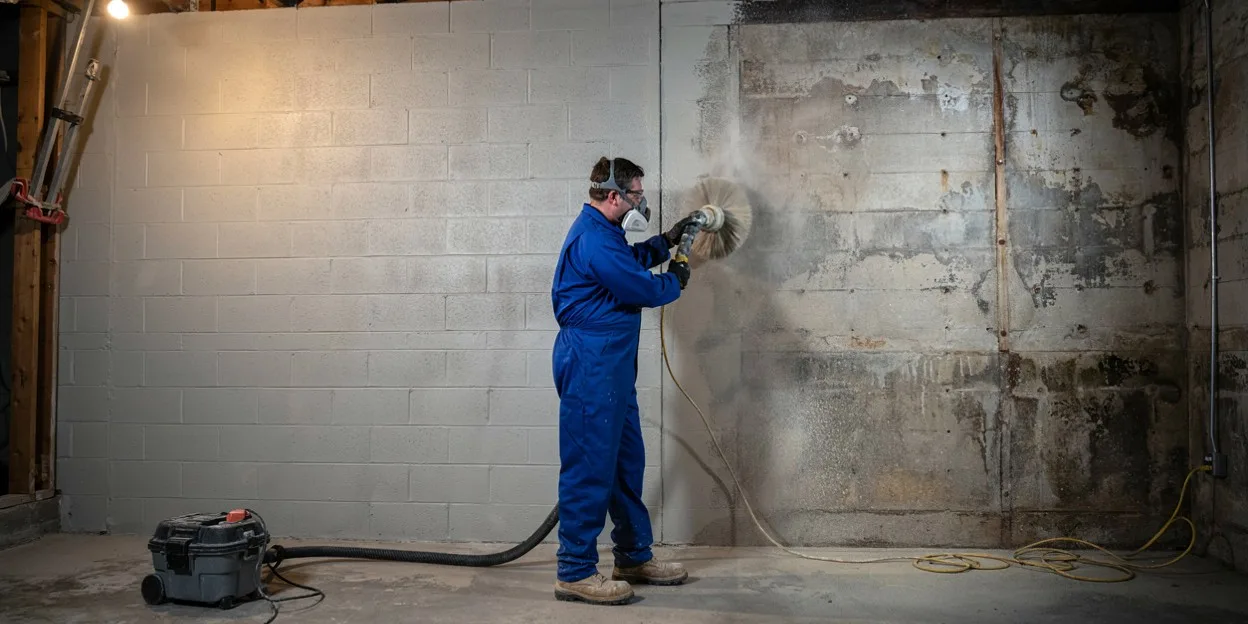
Diamond Springs sits just below Placerville at around 1,800 feet, low enough that winter arrives as rain rather than snow and the ground stays soggy from December into March. Water that would sit as snowpack in Pollock Pines runs off here, under driveways and against the low side of a house. A garage slab that darkens in the corner after each storm is taking on water from outside, and the drywall a few inches above it is wicking that water up.
This is also the town where the El Dorado County Fire Protection District keeps its headquarters, after the old Diamond Springs–El Dorado district folded into it. A house that has been hosed down comes back with a second problem: wet insulation, wet subfloor, wet carpet pad. If your place took water from a hose line or a burst pipe, call us and we will put you through to an independent provider who works Diamond Springs; the scope and the price come from them.
A slow leak under a Diamond Springs sink
Most calls from town start in a bathroom or a kitchen, where a supply line weeps into the cabinet base for months. Bathroom mold removal handles the wall behind the tub and the floor under the vanity, where the growth spreads long before anything shows on the tile. When the water ran into the hallway and the next room, mold damage repair puts the subfloor and the drywall back once the joists read dry. A dark patch that appears on the ceiling under an upstairs bath goes through black mold removal, and the crew finds the drip before cutting anything.
Diamond Springs after the engines leave
The El Dorado County Fire Protection District puts out the fire and then hands the house back to you wet. Water from a hose line soaks the attic insulation, runs down inside the walls, and pools on the slab or in the crawl space, and the smoke smell can hide the musty one for a week or two. Keep photos of every wet room and ask the provider to meter the studs, not just the drywall face. Smoke cleanup is its own trade, and the provider can talk through it on the visit.
Reach us at (209) 764-2249 and describe whether the water came from rain, a pipe, or a fire hose. Each one sends the crew to a different wall first.
Services Available in Diamond Springs
Mold Removal
Sealed containment, negative air, and removal of the wet drywall, trim, and insulation behind a stain in a Kirkwood condo or a foothill home.
Black Mold Removal
Dark growth on a closet wall or under a window handled the same careful way as any other color: find the water, remove what is porous.
Whole-Home Mold Remediation
Room-by-room containment after a pipe split in an empty unit in January or a roof leak ran unseen through a whole ski season.
Attic Mold Remediation
Roof sheathing and insulation fouled by ice dams, warm-side condensation, or a bath fan venting into the attic, cleaned and dried under the snow line.
Bathroom Mold Removal
Growth behind a vanity, above a shower, or inside a wall fed by a weeping valve or a fan that never cleared the steam.
HVAC Mold Cleaning
Furnace cabinets, coils, ducts, and evaporative coolers cleaned when the musty smell arrives every time the blower kicks on.
Mold Odor Removal
Tracking a musty smell to the damp material producing it, removing that material, and treating the air so the smell does not return with the next thaw.
Mold Damage Repair
New drywall, trim, insulation, and subfloor installed once the framing reads dry and the leak that started it is closed.