Mold Removal in Pioneer, CA
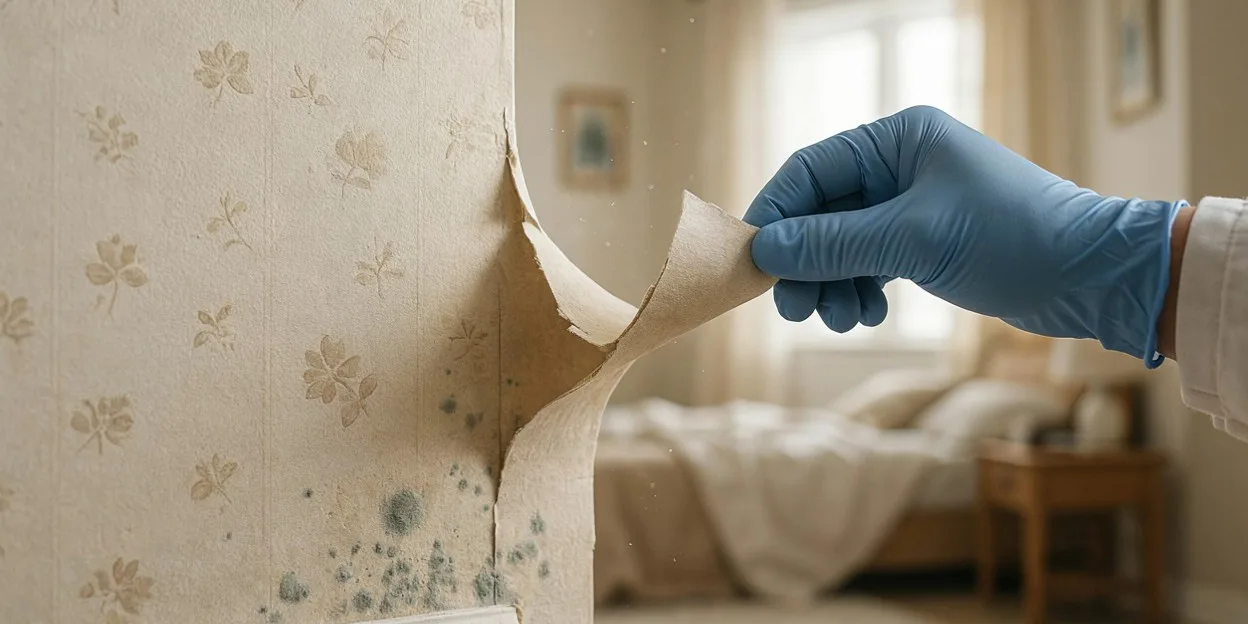
Pioneer starts around 3,000 feet on Highway 88 and climbs into the pines through a string of subdivisions: Mace Meadows, Sugar Pine Ridge, Amador Pines, Sierra Highlands, Deer Ridge, Alpine Village, Meadow Vista, Buckhorn Ridge. A manufactured home on a pad sits next to an older cabin on a crawl space, and a custom mountain house with a wraparound deck sits above both.
Each one gets wet in its own way: the belly wrap, the crawl space vents when snowmelt runs across the lot, or the deck ledger where it meets the wall. The provider who answers is independent and works the upcountry; we simply route the call.
Split pipes under a Mace Meadows cabin: what comes out and what stays
A cold snap over a long weekend with the heat off is the classic Pioneer call. The line under the kitchen splits, the water runs across the crawl space and up into the subfloor, and the owner finds it two weeks later. The subfloor, the bottom plates, and the soaked insulation leave; the joists and the stem wall get cleaned and dried in place. That split between removed and saved is laid out on the mold removal page. When the leak was upstairs and the ceiling below came down, mold damage repair picks up where the demolition stops. A stain on a closet ceiling under the roof is more likely an ice ridge at the eave than a pipe, and attic mold remediation is the page for that.
Pioneer roofs shed by day, ice over at night, then shed again, which is harder on eaves than one deep Kirkwood blanket.
Treated Mokelumne water coming in, snowmelt going under the floor
Most upcountry taps run on Mokelumne River water, treated at the Buckhorn plant and delivered through the Central Amador Water Project by the Amador Water Agency, formed in 1959. What differs from Jackson is the land around the house. Much of it borders national forest, and the Eldorado National Forest Amador Ranger District office sits right in Pioneer, a reminder that these lots drain forest runoff, not a graded street. Grade the lot away from the vents and half the calls stop.
The line is open at any hour: call (209) 764-2249 and say which subdivision the house is in and whether it sits on a crawl space or a slab.
Services Available in Pioneer
Mold Removal
Sealed containment, negative air, and removal of the wet drywall, trim, and insulation behind a stain in a Kirkwood condo or a foothill home.
Black Mold Removal
Dark growth on a closet wall or under a window handled the same careful way as any other color: find the water, remove what is porous.
Whole-Home Mold Remediation
Room-by-room containment after a pipe split in an empty unit in January or a roof leak ran unseen through a whole ski season.
Attic Mold Remediation
Roof sheathing and insulation fouled by ice dams, warm-side condensation, or a bath fan venting into the attic, cleaned and dried under the snow line.
Bathroom Mold Removal
Growth behind a vanity, above a shower, or inside a wall fed by a weeping valve or a fan that never cleared the steam.
HVAC Mold Cleaning
Furnace cabinets, coils, ducts, and evaporative coolers cleaned when the musty smell arrives every time the blower kicks on.
Mold Odor Removal
Tracking a musty smell to the damp material producing it, removing that material, and treating the air so the smell does not return with the next thaw.
Mold Damage Repair
New drywall, trim, insulation, and subfloor installed once the framing reads dry and the leak that started it is closed.